



Choosing the right accountant for your care home is one of the most consequential decisions you will make as an operator. The financial management of a care home is complex, heavily regulated, and directly connected to your ability to deliver quality care. A generalist accountant with no care sector experience may keep your books in order — but they are unlikely to understand the funding landscape, the CQC’s financial sustainability expectations, or the specific tax and regulatory opportunities available to care providers.
This guide helps UK care home operators identify what to look for, what questions to ask, and how to evaluate whether a prospective accountant has the sector knowledge to genuinely add value to your business.
Why Care Homes Need Specialist Accountancy Support
Care homes operate at the intersection of healthcare regulation, public sector commissioning, employment law, property management, and social policy. This creates an accountancy environment unlike almost any other sector:
- Revenue is split between self-funding residents and local authority or NHS-funded placements, each with different rates, payment terms, and reporting requirements
- Staff costs typically account for 55–70% of turnover, with complex payroll requirements including sleep-in shifts, irregular hours, and high turnover
- Property — whether owned or leased — creates significant balance sheet complexity and capital allowance opportunities
- CQC registration and compliance creates a regulatory overhead that affects financial planning and risk management
- The sector is subject to ongoing fee negotiations with local authorities, NHS integrated care boards, and private clients
An accountant who understands these dynamics will not only manage your compliance obligations but will actively help you improve financial performance, manage risk, and plan for the future.
Key Services to Expect from a Care Home Accountant
1. Annual Accounts and Statutory Compliance
This is the minimum. Your accountant should prepare annual accounts that meet Companies House and HMRC requirements, manage corporation tax filings, and maintain your VAT returns if applicable. For care homes, VAT treatment can be complex — most residential care services are exempt from VAT, but this interacts with business overhead costs and potential partial exemption calculations.
2. Payroll Management
Given the complexity of care home payroll, your accountant should either provide payroll services directly or work closely with a specialist payroll bureau. This includes RTI compliance, pension auto-enrolment administration, and holiday pay calculations for variable hours workers — all areas where care homes face elevated compliance risk.
3. Management Accounts and Financial Reporting
Monthly or quarterly management accounts give you an up-to-date picture of your financial position and trading performance. A specialist care home accountant will present this in a format that is relevant to care operations — showing occupancy rates, fee rates, staffing ratios, and cost per resident day alongside standard profit and loss and cash flow information.
4. Fee Rate Modelling and Local Authority Negotiation Support
Local authority fee rates are a perennial pressure point for care home operators. A specialist accountant can build a credible cost of care model that demonstrates the true cost of delivering compliant, high-quality care — an essential tool in fee negotiation with commissioners.
5. CQC financial sustainability
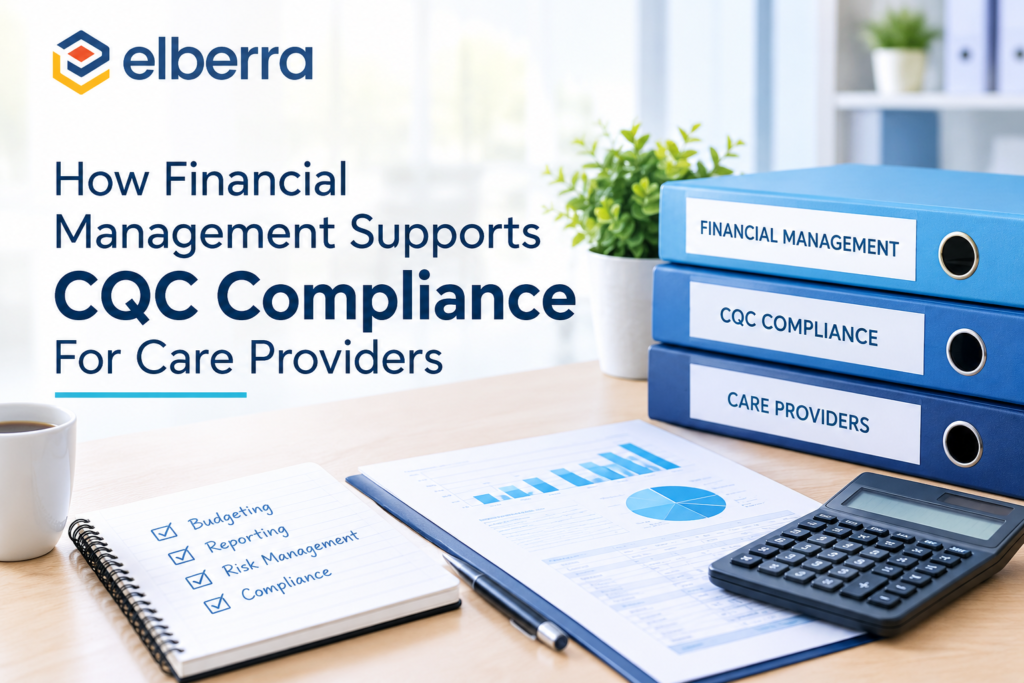
The CQC takes an increasing interest in the financial sustainability of care providers, particularly following high-profile care home failures. Inspectors may ask about your financial position, governance arrangements, and contingency plans. Your accountant should help you maintain financial records and governance documentation that demonstrates sustainability.
6. tax planning and Capital Allowances
Care homes often involve significant capital expenditure on buildings, fixtures, fittings, and equipment. A specialist accountant will identify available capital allowances — including Annual Investment Allowance, Structures and Buildings Allowance, and enhanced allowances for energy-efficient plant — to reduce your tax liability. They will also advise on the optimal business structure for tax efficiency.
7. Acquisition, Disposal, and Business Valuation
Whether you are acquiring an additional home, considering a sale, or bringing in investment, your accountant should have experience in healthcare business transactions. This includes due diligence on acquisitions, business valuation for sale or financing, and structuring advice to optimise tax outcomes.
Questions to Ask a Prospective Care Home Accountant
When evaluating accountants, go beyond asking about fees and turnaround times. The following questions will help you assess genuine sector expertise:
- How many care home clients do you currently work with, and across what types of provision?
- Are you familiar with the CQC’s financial sustainability guidance and what inspectors expect to see?
- How do you approach local authority fee rate modelling?
- What is your experience with sleep-in pay, zero-hours contracts, and care sector payroll compliance?
- Can you demonstrate experience with SDLT structuring on care home acquisitions?
- Do you have experience preparing care home businesses for sale or external investment?
- How do you stay current with regulatory and legislative changes affecting the sector?
Red Flags to Watch For
Be cautious of accountants who:
- Cannot name a single specific regulatory challenge unique to the care sector
- Have no clients in health or social care beyond one or two occasional cases
- Approach care home accountancy as identical to any other service business
- Cannot explain the VAT partial exemption implications for care homes
- Have limited experience with the payroll complexities described above
- Are unable to provide sector-specific references
The Value of an Integrated Advisory Relationship
The best care home accountants do not limit themselves to compliance functions. They function as strategic advisers, helping operators navigate the commercial challenges of the sector alongside the regulatory ones. When your accountant understands CQC compliance, local authority commissioning, care home valuation, and the employment landscape, they can provide integrated advice that genuinely improves business performance and resilience.
This integration matters particularly at moments of change — a new registration, a poor CQC inspection, a fee negotiation, a planned acquisition, or a decision to sell. Having an adviser who can connect the financial, regulatory, and strategic dimensions of each decision is a material advantage.
Why Elberra Consulting
Elberra Consulting works with UK care home operators across all aspects of financial management and compliance advisory. Our team combines accountancy and tax expertise with deep knowledge of the CQC regulatory framework, local authority commissioning, and health and social care sector dynamics.
We support care home operators with annual accounts and tax compliance, payroll, management reporting, fee rate modelling, business valuation, and CQC financial governance — providing an integrated advisory service designed specifically for the care sector.
If you are looking for a specialist care home accountant, contact Elberra Consulting to discuss how we can support your business.